How Weather Changes Animal Behaviour in Kruger
Every experienced Kruger driver has a theory about weather. "Cats move before the rain." "Elephants swim in the heat." "Wind kills birding." Some of it is folklore-but much of it is real animal biology responding to temperature, pressure, and moisture.
Understanding how weather shapes behaviour helps you pick the right drive window and interpret what you see.
The Daily Rhythm (Clear Weather)
On a typical clear day, wildlife activity follows a predictable curve:
| Time | Behaviour |
|---|---|
| Gate open - 09:00 | Peak activity; predators still active, herbivores feeding |
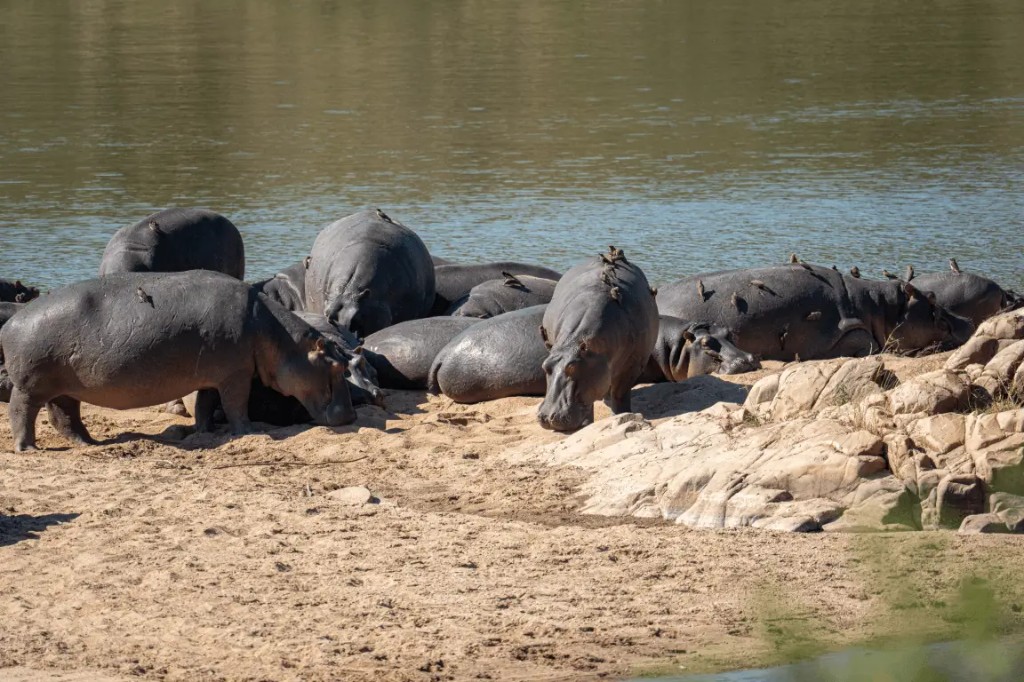
| 09:00 - 15:00 | Heat slump; animals rest in shade, near water, or in thick cover |
| 15:00 - gate close | Second wind; predators stir, herds move to drink |
Your best odds for active game are first and last light-regardless of season.
Overcast and Cool Days
Cloud cover is a secret weapon. Temperatures stay lower, predators hunt longer into the morning, and animals remain visible in open areas past 10:00.
What to do: treat overcast days as full-morning drives. Do not sleep in. Some of the best leopard and wild dog days follow grey skies.
Photography bonus: soft light, fewer harsh shadows-see Photography Tips.
Rain and Storms
Light drizzle - antelope often keep feeding; birds active; predators may use sound cover to hunt.
Heavy thunderstorm - most animals seek shelter. Visibility drops. Roads become hazardous; gravel may close.
After rain - renewal period. Fresh growth attracts grazers; mud wallows fill; frogs and insects boom (birding heaven). The first dry hours after a storm can be electric.
Safety: never ford flowing water; avoid lightning exposure outside camp.
Wind
Strong wind frustrates predators-scent and sound carry unpredictably. Lions and leopards may lie low. Birds of prey still hunt but smaller birds hide in lee of vegetation.
Tip: on windy days, favour riverine forest roads (S25, S133-type habitats) over open plains where dust and swaying grass reduce visibility.
Extreme Heat (Summer)
Above roughly 35°C, expect:
- Elephants at waterholes and rivers mid-afternoon
- Cats flat in deep shade, often invisible
- Reduced road crossings
Strategy: waterhole stakeouts (Nwanetsi, Sunset Dam, Lake Panic area) beat endless cruising. See Top Waterholes for dry-season logic that also applies to hot days.
Cold Winter Mornings
June-August dawns can be near freezing. Animals stay active later to feed in warming sun-excellent extended morning viewing.
Pack layers - What to Pack.
Buffalo and rhino often bask in first sunlight on road edges-drive slowly.
Seasonal Big Picture
| Season | Weather | Wildlife note |
|---|---|---|
| Dry winter | Cool, dusty, scarce water | Animals concentrate at water; visibility high |
| Wet summer | Hot, storms, lush bush | Beautiful scenery; animals dispersed; birding peak |
| Shoulder | Mixed | Flexible strategy wins |
Species-Specific Weather Notes
Lions - hunt more on cool, overcast nights and mornings; sleep through heat.
Leopards - still possible midday in riverine shade; overcast = longer tree-line patrols.
Cheetah - prefer open plains in cool morning; avoid heat.
Elephants - water-driven in heat; playful after rain; wind increases agitation if scent is confused-read Elephant Behavior.
Wild dogs - hunt in cooler periods; pack movement often peaks early.
Birds - migrants arrive with summer rains; raptors soar on thermals after 09:00 on clear days.
Planning Your Drive by Forecast
Clear + hot: dawn hard, siesta midday, short late loop to water.
Overcast: full morning loop, push into early afternoon.
Rain imminent: nearest camp or tar road; do not commit to long gravel loops.
Windy: sheltered habitat roads, lower speed for dust.
Check forecast the night before in camp (Wi-Fi at reception if available) and set alarm accordingly.
Weather Myths Debunked
"Rain means no animals." - Wrong. Activity shifts; it does not stop.
"Midday is useless." - Reduced, not zero-especially near water in heat.
"Winter is boring." - Many regulars prefer dry-season winter for density and visibility.
Related Guides
Weather is the one variable you cannot control-but you can work with it. The bush rewards observers who read the sky as carefully as the road edge.