Malaria Myths vs Facts for Kruger Visitors
Malaria worries keep some travellers from booking Kruger at all—and push others into either panic or total complacency. Neither extreme helps. Here is a calm, practical take for visitors planning a safari.
This article is not medical advice. Speak to a travel clinic or doctor before you decide on prophylaxis. For region context, see our Malaria page.
Myth 1: “Kruger is always high-risk, year-round”
Fact: Risk varies by region and season. The far north and lowveld summer months (roughly November–April) generally carry higher concern than a short winter stay in the south. Dry-season trips (May–September) are often lower risk—but “lower” is not “zero.”
Plan prophylaxis and bite prevention around your dates and camps, not a single park-wide label.
Myth 2: “If I take tablets, mosquitoes do not matter”
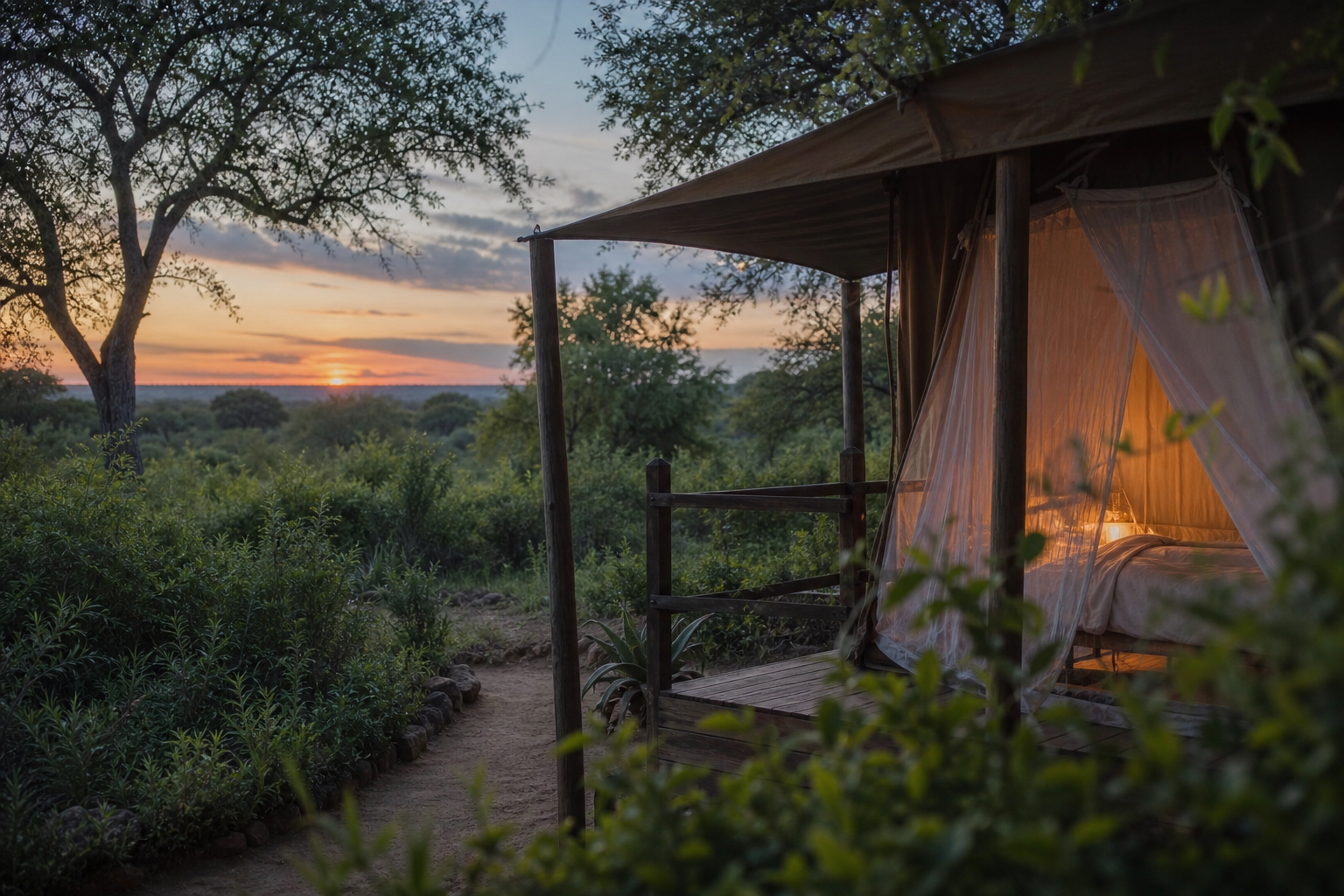
Fact: Prophylaxis reduces the chance of severe illness if you are bitten by an infected mosquito. It does not make you mosquito-proof. Cover up at dusk, use repellent with DEET or icaridin, and sleep under treated nets where provided—especially in bush camps and tented stays.
Myth 3: “Only the far north has malaria”
Fact: Northern Kruger (Punda / Pafuri belt) is often highlighted, but the lowveld climate means visitors elsewhere should still take the question seriously. Your doctor may still recommend prophylaxis for a Satara or Skukuza itinerary depending on season and personal risk factors.
Myth 4: “Children and pregnant travellers can ignore the topic”
Fact: Pregnancy and young children change which medicines are appropriate—and sometimes whether a trip should be timed differently. This is exactly why a proper clinic consult matters more than forum anecdotes.
Myth 5: “I felt fine after the trip, so I am clear”
Fact: Symptoms can appear days to weeks after return. Fever after a Kruger trip should be treated as urgent until malaria is ruled out—tell the clinician you were in a malaria area.
Practical Checklist
- Book a travel-health consult before you buy non-refundable flights if you are unsure.
- Start prophylaxis on the schedule your clinician gives you (some drugs need a run-in before arrival).
- Pack repellent, long sleeves for dusk drives, and a small first-aid kit.
- Know the nearest clinic towns for your route (Hazyview, Nelspruit/Mbombela, Hoedspruit, Phalaborwa).
- Keep your Emergency contacts offline in the Kruger Companion app.