The Ethics of Sharing Sightings on Social Media and Apps
You have just found a leopard draped over a marula branch. Your hands shake. The photo is sharp. The urge to post immediately-with a pin on the map-is almost irresistible. But where and how you share sightings can affect wildlife, other visitors, and park security.
This guide is not anti-sharing. Kruger's community thrives on tips and excitement. It is about sharing responsibly so your post helps rather than harms.
Why Sharing Has Consequences
A social media post or app pin can draw a crowd within minutes. More vehicles mean:
- Blocked roads and stressed animals (sighting etiquette)
- Predators abandoning kills or dens
- Increased risk around rhino and pangolin (poaching intelligence)
- Habituation-animals learning that roads equal food or drama
What feels like generosity ("letting everyone know") can become a traffic magnet.
General Principles
1. Delay sensitive posts
For leopards, cheetah with cubs, wild dog dens, and rhino: wait until you have left the sighting-or even until the next day-before sharing exact location.
2. Be vague on location
"Around Satara" or "southern S-road loop" is better than "S100 at the third tree past the drainage line."
3. Never share den or nest sites
If you suspect a den (repeated predator visits to one spot, agitated parents), do not post at all. Report concerns to rangers if behaviour seems disturbed.
4. Rhino and pangolin: extra caution
Location data on rare or poached-target species is a security risk. Enjoy the sighting; keep coordinates private.
5. Respect rangers and researchers
If officials ask vehicles to move or stop posting, comply without argument.
Social Media Specifics
Instagram / Facebook / TikTok
- Avoid live-streaming from the sighting while still parked
- Crop or blur distinctive landmarks if the species is sensitive
- Do not tag exact geo-locations on predator or rhino content
- Use hashtags for education (#KrugerEtiquette) not hype (#LionJam)
WhatsApp groups
Fast, useful, and dangerous in equal measure. Large groups amplify crowds. Share only with trusted contacts, use broad descriptions, and add "please do not block the road" reminders.
Using Sighting Apps and Community Feeds
Apps like Kruger Companion connect visitors for conservation and community-but how you log matters:
Do:
- Log species for conservation research where the feature supports it
- Share broad area and time ("this morning near Orpen")
- Report injured animals or snares to officials, not just the feed
Don't:
- Pin exact GPS on every rare cat sighting in real time
- Treat the feed as a race to be first
- Log species you did not clearly identify (misinformation sends crowds the wrong way)
Photography Ethics Overlap
Flashes, drone flights, and standing through sunroofs are prohibited or discouraged for good reason. A viral photo is not worth a stressed animal or a fine. See Wildlife Photography Tips.
Teaching Others
If you travel with friends or run a safari group:
- Agree on a no live-posting rule for sensitive species
- Model moving on after a few minutes at busy jams
- Explain why-most people comply once they understand animal stress
When Sharing Helps
Sharing is valuable for:
- Road closures and weather hazards
- Ethical education and park rules
- General camp tips ("quiet morning on the H7 today")
- Conservation campaigns with SANParks-approved messaging
Positive community behaviour spreads as fast as bad behaviour.
Quick Decision Tree
| Sighting | Share now? | How |
|---|---|---|
| Impala herd | Yes | General area fine |
| Lion on road | Maybe | Broad location; delay if jam forming |
| Leopard in tree | Delay | Area only, after you leave |
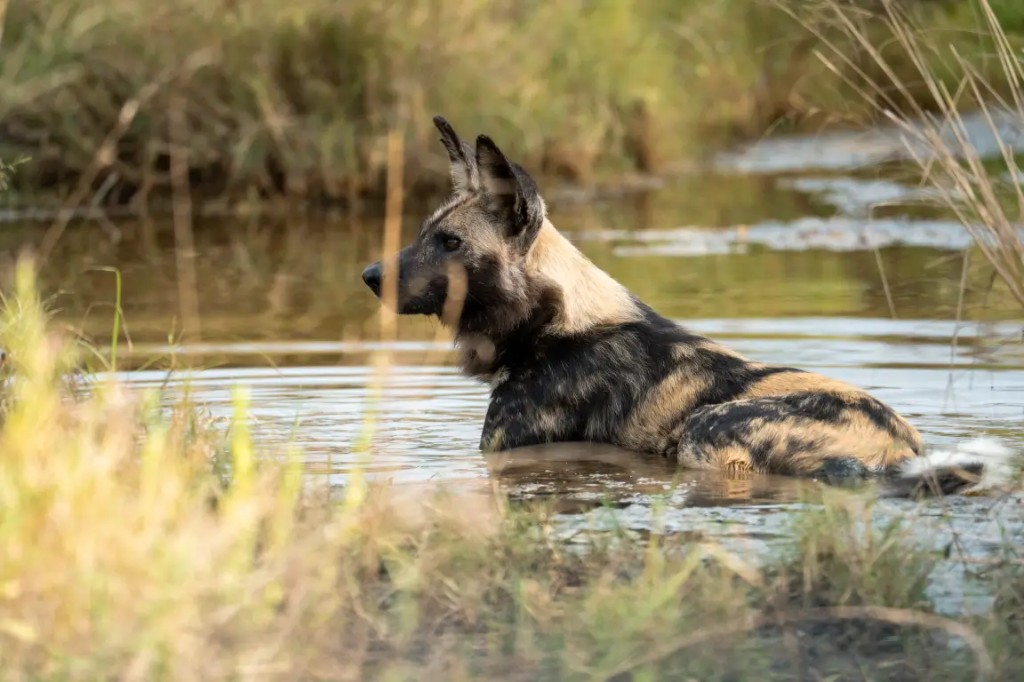
| Wild dog pack | Delay | Never exact den |
| Rhino | Avoid location | Species note only, no pin |
| Injured animal | Contact rangers | Not public geo |
Related Guides
The best Kruger visitors leave the bush as they found it-wild, uncrowded, and respected. Your post can wait; the animals cannot.