Malaria Live Status
Kruger National Park lies in a malaria-endemic region. Use our interactive risk tracker and mapping tool to prepare your itinerary safely.
Is Kruger malaria-free?
No. The park is in an endemic area. Winter and the far south are often lower risk — not zero. Confirm prophylaxis with a travel clinic.
North vs South
Far North (Punda / Shingwedzi) typically carries higher concern than many southern camps. Pick your month below to see regional risk rings on the map.
Nearby towns
Searches for Hazyview or Marloth Park malaria risk often relate to the southern lowveld — treat them like Kruger: season + bite prevention matter.
Official Live Bulletin
NICD Sentinel Data • Updated June 2026
Seasonal Advisory
Current NICD sentinel reports confirm low vector activity due to cool, dry winter conditions. Prophylaxis is generally optional for short visits to southern sectors but consult your travel clinic. Bite prevention remains critical.
Climate & Flooding Note
Flooding early in 2026 across Mpumalanga and Limpopo initially increased breeding sites, but current seasonal patterns remain within historical baselines. No malaria outbreaks are reported inside the park.
Select Travel Month
Risk fluctuates dramatically based on seasons. Pick your month to see regional risk zones.
Personal Exposure Quiz
Estimate your potential contact score based on lodging, medicine, and behavior.
Your Exposure Score:
Calculated for September
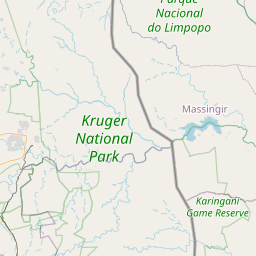
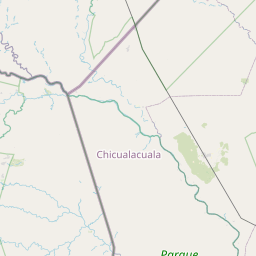
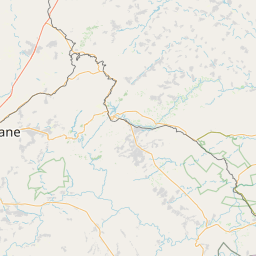
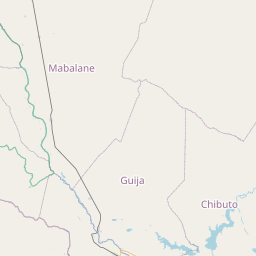
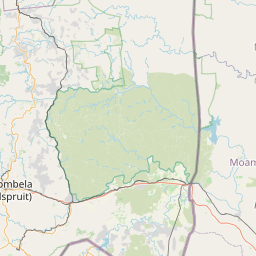
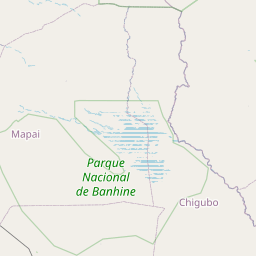
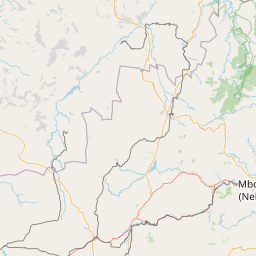
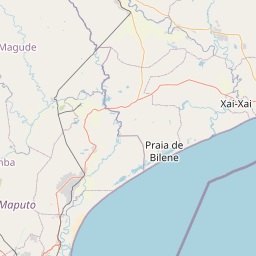
Dynamic Risk Map
Highlighting regional threat circles and specific camps for September. Click pins to review camp guidelines.

Prevention & Prophylaxis Guide
The ABC of Malaria Defense
Health organizations outline four pillars of defense (A-B-C-D) to protect travelers from contracting malaria:
- AAwareness of Risk: Recognize that malaria is present in Kruger and understand the seasonal fluctuations (higher risk in wet summers).
- BBite Prevention: The first line of defense. Mosquitoes carry the parasite. Use repellents containing 30%+ DEET or Picaridin, wear long clothing at dusk/dawn, and sleep in sealed rooms or under nets.
- CChemoprophylaxis: Take preventative antimalarial pills if traveling during high-risk seasons or areas. Standard options are Malarone, Doxycycline, or Lariam.
- DDiagnosis (Early Detection): Seek immediate medical testing if you develop a fever, chills, or flu-like symptoms during or up to a year after returning from your safari.
Practical Avoidance Checklist
- •Apply insect repellent to all exposed skin every 4-6 hours, especially from dusk to sunrise.
- •Treat safari clothing with Permethrin spray for an added layer of fiber protection.
- •Keep camp window screens shut and utilize air conditioning or overhead fans, which discourage flying vectors.
- •Light coils or plug-in vaporizers inside tents or rooms before going to sleep.
- •Avoid wearing dark-colored clothing (navy, black) which tends to attract mosquitoes; choose light neutrals instead.
Antimalarial Medication Comparison
| Medication | Regimen | Pros | Cons | Suitability |
|---|---|---|---|---|
| Malarone Atovaquone/Proguanil | Daily. Start 1-2 days before, during, and 7 days after leaving. | Minimal side effects, short post-trip duration. | More expensive than alternatives. | Best for short trips and families. |
| Doxycycline Antibiotic | Daily. Start 1-2 days before, during, and 28 days after leaving. | Inexpensive, widely available, treats minor skin issues. | Sun sensitivity (sunburns), long post-trip regimen, stomach issues. | Best for budget-conscious travelers or longer stays. |
| Lariam Mefloquine | Weekly. Start 2-3 weeks before, during, and 4 weeks after leaving. | Weekly pill (easy to remember), cost-effective. | Potential severe side effects (anxiety, vivid dreams, neurological). | Not suitable for travelers with history of anxiety, depression or seizures. |
Disclaimer: Medical information is provided for planning purposes only. You must consult a licensed physician or travel clinic to get a valid prescription and professional health recommendation tailored to your medical history.
Sickness & Symptoms
Malaria symptoms typically appear within 7 to 30 days of a bite from an infected Anopheles mosquito, but incubation can take months. Symptoms can easily be mistaken for flu, COVID-19, or fatigue.
Emergency Resources
Plan the rest of your trip
Once you know your risk month, lock gate times, fees, packing, and offline tools.
Malaria myths vs facts
Season, kids, tablets, and “I felt fine” myths.
Packing & trip planner
Repellent, nets, and medical kit checklist.
Conservation fees
SANParks daily tariffs while you budget the trip.
Gate opening times
Avoid dusk rushes — know when gates close.
Kruger Companion app
Offline maps, emergency info, and park guides without signal.
Emergency contacts
Clinics and hotlines to save before you lose reception.