Why We Ended Live Sightings
At Kruger Companion, we believe that the safety and well-being of wildlife must always come before tourist convenience. Here is why we decided to disable real-time animal tracking.
The Toll of Real-Time Alerts
While sharing live sightings began as a way to help visitors see incredible animals, the widespread use of real-time apps has created severe negative impacts on the park's fragile ecosystem:
Animal Harassment & Stress
Massive aggregations of vehicles hound predators and nesting birds, disrupting hunting patterns, separating parents from cubs, and causing chronic distress.
Traffic Congestion & Speeding
Live sighting alerts spark reckless speeding as drivers race to be the first to arrive. This results in toxic exhaust build-up, road blockages, and fatal animal collisions.
Poaching Vulnerabilities
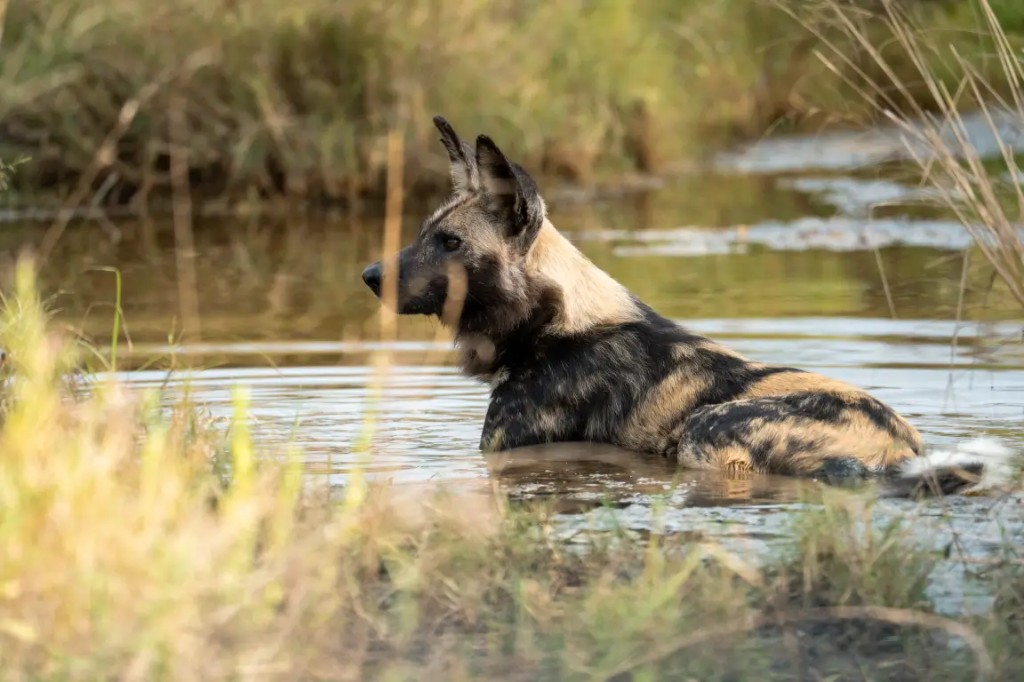
Endangering wildlife by exposing coordinate data is a real threat. Broadcast locations of endangered species (such as Rhinos or Wild Dogs) can easily be intercepted by poachers looking for targets.
Data for Good
Just because we do not show real-time sightings on the web does not mean your reports go to waste. Instead, we channel community data directly to where it makes a difference:
"We capture and share historical wildlife patterns and anonymous logs with Kruger National Park (SANParks) conservationists, rangers, and researchers to aid in biodiversity studies and anti-poaching operations."
By contributing data anonymously, you help scientists track seasonal migration paths, catalog rare bird patterns, and monitor threat factors without putting active animals in harm's way.
Discover the Magic of the Search
Part of the true safari experience is the thrill of discovery. Driving slowly, scanning the bush, reading animal tracks, and listening to bird calls makes finding wildlife naturally rewarding.