Controlled Burning in Kruger: Why SANParks Sets the Bush Alight
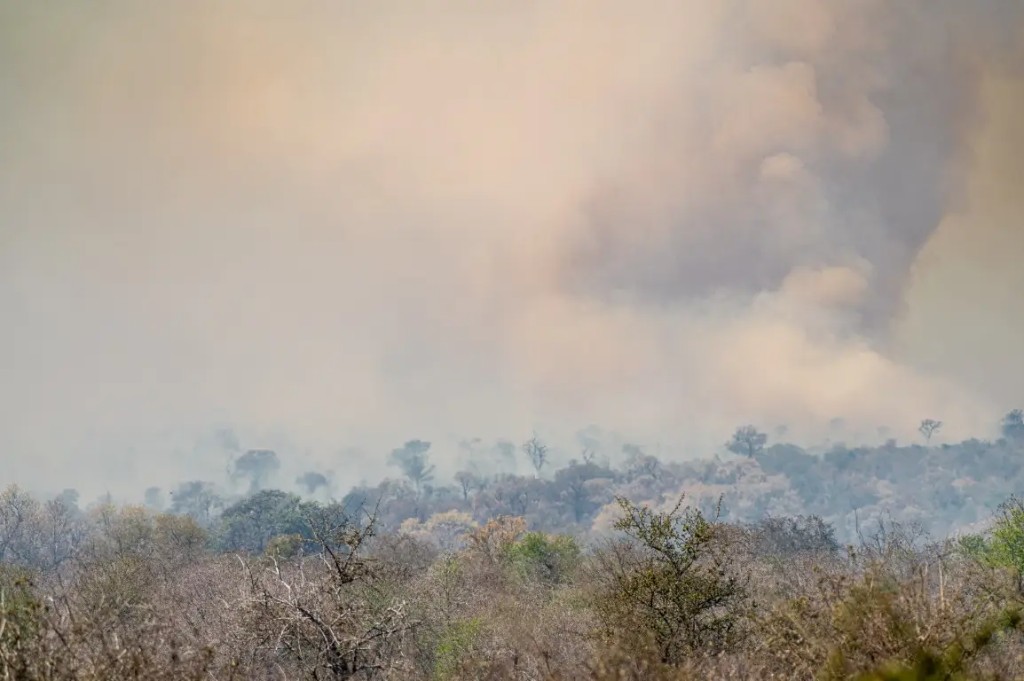
Driving through Kruger, you may round a corner and see smoke rising from the savanna—or entire hillsides charred black. It looks alarming. Many visitors assume a wildfire is out of control. Often, the opposite is true: SANParks is conducting a planned burn, one of the most important tools in Kruger's ecological management.
Fire Is Natural in the Savanna
African savannas evolved with fire, not despite it. Lightning ignites grass in the dry season. Plants regrow. Nutrients recycle. Without fire, grasslands gradually thicken into bush—a process called bush encroachment—and grazers like zebra, wildebeest, and sable lose the open habitat they need.
Kruger is not trying to eliminate fire. It is trying to manage fire on its own terms.
The Patch Mosaic Policy
SANParks uses a patch mosaic approach: instead of letting one massive wildfire sweep the park, rangers burn smaller sections in a planned pattern across years. The result is a landscape of different-aged vegetation—some areas recently burned, others years old.
Benefits:
- Biodiversity — multiple habitat ages support different species
- Grazing quality — fresh green shoots after fire attract herbivores
- Fuel reduction — less dry grass means smaller, cooler wildfires when lightning strikes
- Bush control — fire sets back woody thickening in grassland zones
This is ecological stewardship, not destruction.
Planned Burns vs Wildfires
| Planned burn | Wildfire |
|---|---|
| Set by trained staff in chosen conditions | Started by lightning or accident |
| Limited size and timing | Can run for days across huge areas |
| Cooler, patchy, monitored | Hotter, unpredictable |
| Part of management plan | Emergency response required |
SANParks monitors weather, wind, humidity, and fuel load before lighting. Burns happen when conditions allow control—not on reckless windy days.
What Visitors Notice
Smoke on the horizon — common in dry months; usually not a threat to camps or roads. Check with camp reception if unsure.
Blackened sections — stark at first, green within weeks after rain.
Temporary road closures — some gravel roads close during active burns; obey barriers.
Wildlife movement — animals move ahead of fire; most escape. Rangers monitor impact.
Air quality — smoke can be hazy near burns; sensitive visitors may prefer closed windows on affected drives.
Why It Matters for Game Viewing
Burned areas often become hotspots weeks later. New grass draws grazers; grazers draw predators. Savvy drivers return to recent burn patches after the first rains and find excellent action.
Understanding fire helps you read the landscape: that open plain exists partly because fire kept bush at bay.
Fire and Climate
Drier, hotter conditions make fire management harder. SANParks adapts burn plans as research evolves. Visitors sometimes see apparent contradictions—closing boreholes in one policy, burning in another—but both serve the same goal: restore natural processes rather than fight the ecosystem.
Learn more on our Conservation page.
What You Should Do as a Visitor
Do:
- Obey road closures and ranger instructions
- Report uncontrolled fire or smoke with no visible management (camp reception or emergency line)
- Appreciate burned areas as part of a living system
Don't:
- Drive toward active fire lines
- Assume all smoke is an emergency
- Fly drones to photograph burns (drones are prohibited park-wide)
Fire Season Timing
Burns typically occur in the late dry season and early spring window when grass is dry enough to carry fire but conditions remain manageable. Exact timing varies year to year. Summer lightning fires also occur naturally—rangers then focus on containment.
If smoke affects your route, treat it like a road closure: reroute, enjoy something else, ask rangers for the day's picture.
The Bigger Picture
Controlled burning sits alongside alien plant removal, water-point policy, and anti-poaching work as core SANParks science. It is why Kruger still looks like Kruger—open savanna, riverine forest, balance between grass and tree—not an overgrown thicket or a scorched wasteland.
Related Guides
- Weather and Animal Behaviour — how season shapes what you see
- Top Waterholes in Dry Season — where animals concentrate when it is dry
- Conservation in Kruger
Next time you smell smoke in Kruger, look twice. That haze on the horizon may be the park healing itself—one careful flame at a time.